



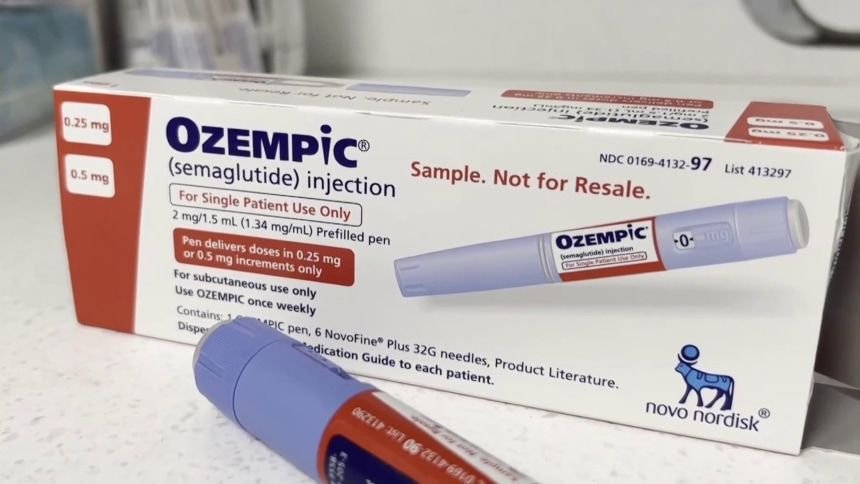
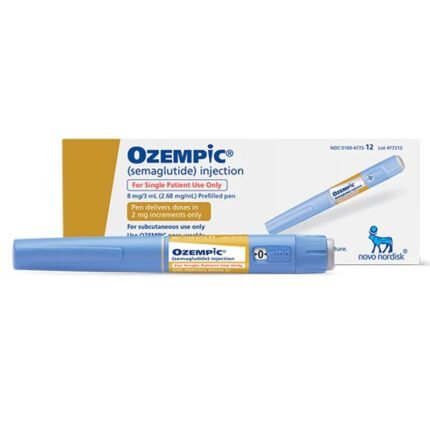
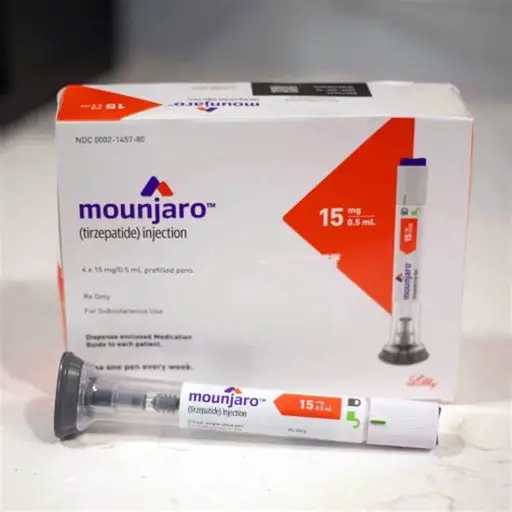
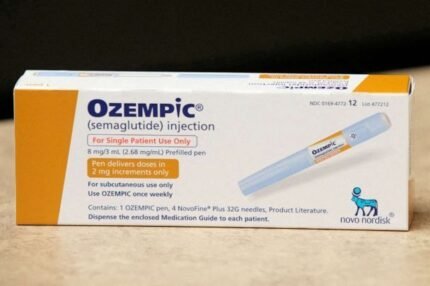
Ozempic 0.25mg Pen – Uses, Benefits, Weight Management Support & Patient Guide
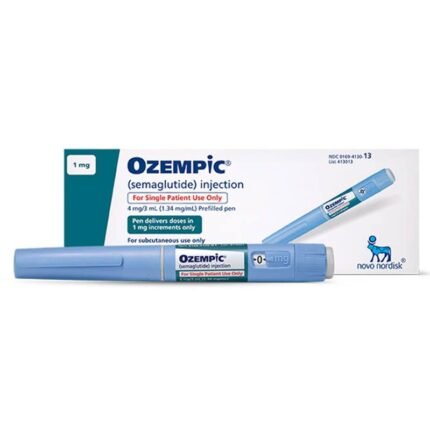
Ozempic 0.25mg Pen is a prescription injectable medication containing semaglutide, a GLP-1 receptor agonist. It is commonly prescribed to help adults with type 2 diabetes improve blood sugar control.
What Is Semaglutide?
Semaglutide belongs to a class of medications called GLP-1 receptor agonists (glucagon-like peptide-1). These medications mimic a natural hormone released in the intestine after eating.
This hormone plays an important role in:
-
Blood sugar regulation
-
Appetite signaling
-
Digestion speed
-
Insulin release
By supporting these natural processes, semaglutide helps improve metabolic balance.
How Ozempic Works
After eating, the body releases GLP-1 hormones to control glucose. People with type 2 diabetes often have impaired GLP-1 response. Ozempic helps restore this function.
Main Actions
-
Stimulates insulin when blood sugar rises
-
Reduces excess glucose released by the liver
-
Slows stomach emptying
-
Promotes feeling of fullness
This combination helps stabilize glucose levels and may reduce overeating.
Why the 0.25mg Dose Is Important
The 0.25mg pen is not the long-term therapeutic dose. It is a starting dose designed to allow the body to adapt and minimize stomach-related side effects.
Typical titration:
-
Weeks 1–4: 0.25mg
Starting slowly improves tolerability and patient comfort.
Benefits of Ozempic
1. Blood Sugar Control
Ozempic helps reduce elevated blood glucose levels, especially after meals. Stable glucose levels may help lower complications associated with uncontrolled diabetes.
2. Appetite Regulation
Many patients notice reduced hunger.
Who May Be Prescribed Ozempic
Healthcare providers may consider Ozempic for adults who:
-
Have type 2 diabetes
-
Need improved blood sugar control
-
Cannot tolerate certain oral medications
-
Require additional metabolic support
It is not used for type 1 diabetes.
How to Use the Ozempic Pen
Injection Instructions (General Guide)
-
Inject once weekly
-
Use the same day each week
-
Inject under the skin (subcutaneous)
-
Common areas: abdomen, thigh, or upper arm
-
Rotate injection sites
Always follow professional medical instructions and the official patient leaflet.
Possible Side Effects
Common Effects
-
Decreased appetite
-
Mild stomach discomfort
-
Constipation
-
Diarrhea
These often improve as the body adjusts.
Less Common but Serious Symptoms
-
Persistent vomiting
-
Severe abdominal pain
-
Signs of allergic reaction
-
Vision changes
Important Safety Information
Ozempic must be used under medical supervision.
Tell a healthcare provider if you have:
-
Pancreatitis history
-
Thyroid conditions
-
Severe gastrointestinal disease
-
Kidney problems
Do not share injection pens with others.
Lifestyle Support While Using Ozempic
Helpful practices:
-
Balanced diet
-
Portion control
-
Regular physical activity
-
Hydration
-
Sleep consistency
Ozempic is a supportive therapy, not a replacement for lifestyle improvements.
Storage Instructions
-
Store unopened pens in refrigerator
-
Do not freeze
-
After first use, store as directed in the product instructions
-
Protect from heat and direct sunlight
Frequently Asked Questions
Can it be used daily?
No. It is designed for once-weekly dosing.
Can it cure diabetes?
No medication cures diabetes. It helps manage the condition.
Why Medical Supervision Matters
GLP-1 medications affect metabolism and appetite regulation. A healthcare provider monitors:
-
Response
-
Tolerability
-
Dose adjustment
-
Safety
Never change the dose without guidance.
Final Thoughts
The Ozempic 0.25mg Pen (semaglutide) is a modern injectable therapy used to support blood sugar control in adults with type 2 diabetes and may assist medically supervised weight-management programs. By mimicking natural GLP-1 hormones, it helps regulate glucose, appetite, and digestion in a structured and predictable way.


Reviews
There are no reviews yet.