



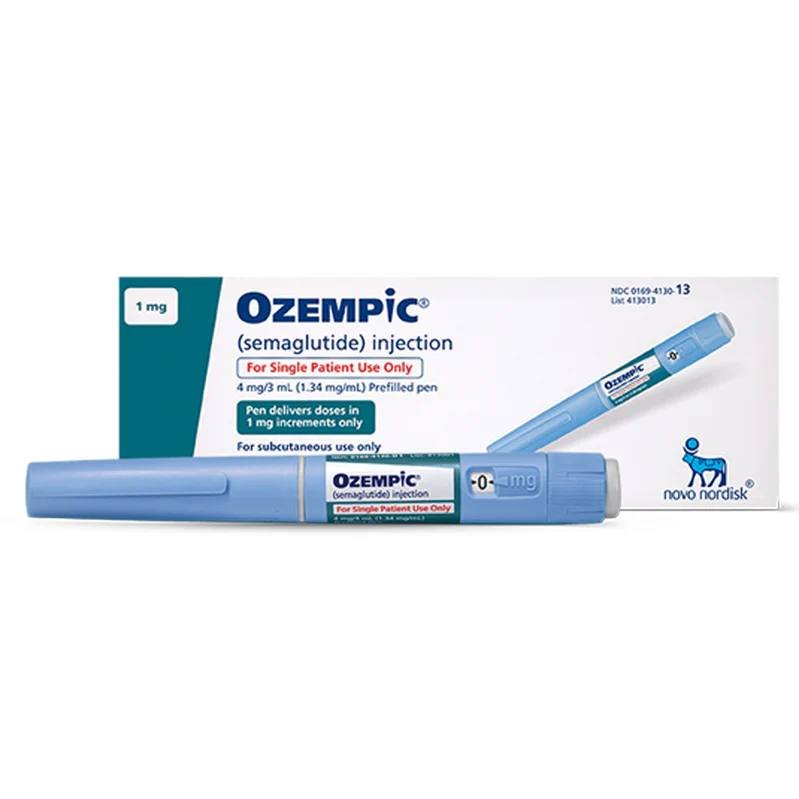
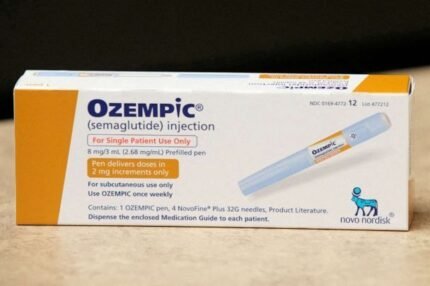
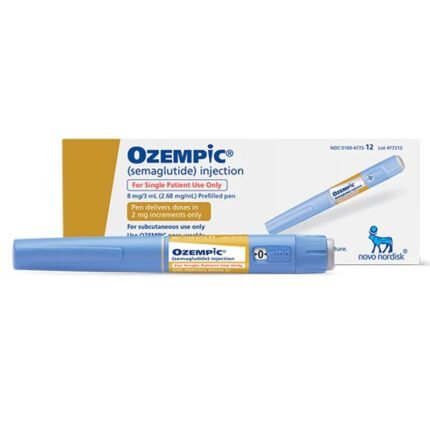
Ozempic 1mg Pen – Uses, Benefits, Dosage, Weight Management Support & Safety Guide
Ozempic 1mg Pen is a prescription injectable medication containing semaglutide, a GLP-1 receptor agonist used to improve blood sugar control in adults with type 2 diabetes mellitus.
The 1mg dose is typically prescribed after a patient has successfully tolerated the lower starting doses (0.25mg and 0.5mg). At this level, many individuals experience stronger glucose-control benefits under professional medical supervision.
What Is Semaglutide?
Semaglutide is a synthetic version of a natural hormone called GLP-1 (Glucagon-Like Peptide-1). This hormone is released by the intestines after meals and plays a major role in regulating blood sugar and hunger signals.
Functions of GLP-1 in the Body
-
Reduces excess glucose from the liver
-
Slows digestion
-
Promotes a feeling of fullness
In type 2 diabetes, this hormone response may not work effectively. Ozempic helps restore that metabolic signaling.
How Ozempic 1mg Works
1. Controls Liver Glucose Output
The liver sometimes releases too much sugar into the bloodstream. Semaglutide reduces this excess production.
2. Slows Gastric Emptying
Food leaves the stomach more slowly, helping:
-
Prevent sudden glucose spikes
-
Maintain stable energy levels
Benefits of Ozempic 1mg Pen
Weekly Convenience
Once-weekly dosing supports better treatment adherence.
Appetite and Portion Support
Many patients report reduced hunger and improved portion awareness.
Weight Management Support
Some individuals may experience gradual weight reduction as part of a supervised plan.
Long-Term Metabolic Support
Better glucose control helps reduce complications associated with chronic hyperglycemia.
Who May Be Prescribed Ozempic 1mg
Healthcare providers may prescribe Ozempic 1mg for adults who:
-
Have type 2 diabetes
-
Have already tolerated lower doses
-
Need stronger glycemic control
-
Require additional metabolic support
It is not used for type 1 diabetes and not for treating diabetic ketoacidosis.
How to Use the Ozempic Pen
Injection Basics
-
Inject once weekly
-
Use the same day each week
-
Inject under the skin (subcutaneous)
-
Rotate injection sites regularly
Common Injection Areas
-
Abdomen
-
Upper thigh
-
Upper arm
Always follow professional medical guidance and the instructions included with the medication.
Possible Side Effects
Common Side Effects
-
Nausea
-
Reduced appetite
-
Mild stomach upset
-
Constipation
-
Diarrhea
These effects usually improve as the body adapts.
Serious Symptoms (Seek Immediate Care)
-
Severe abdominal pain
-
Persistent vomiting
-
Allergic reactions
-
Signs of dehydration
-
Vision changes
Safety Precautions
-
History of pancreatitis
-
Thyroid disorders
-
Kidney disease
-
Severe gastrointestinal conditions
Medication Interactions
-
Insulin
-
Sulfonylureas
-
Other diabetes medicines
Lifestyle Recommendations
Supportive Lifestyle Practices
-
Balanced nutrition
-
Regular physical activity
-
Portion control
-
Adequate hydration
-
Quality sleep
Storage Guidelines
-
Store unopened pens in a refrigerator
-
Do not freeze
-
Protect from light and heat
-
Follow label instructions after first use
-
Keep away from children
Frequently Asked Questions
Is Ozempic insulin?
No. It helps the body release its own insulin more effectively.
Can I miss a weekly dose?
Follow the patient instructions or contact a healthcare provider for guidance.
Can I stop once sugar improves?
Do not discontinue without medical advice.
Why Medical Monitoring Is Important
A healthcare professional monitors:
-
Glucose levels
-
Tolerance
-
Dosage adjustments
Proper supervision helps ensure safe and effective treatment.
Final Thoughts
The Ozempic 1mg Pen (semaglutide) is a once-weekly injectable therapy designed to support blood sugar management in adults with type 2 diabetes. By mimicking the body’s natural GLP-1 hormone, it helps regulate insulin response, appetite signals, and digestion.


Reviews
There are no reviews yet.